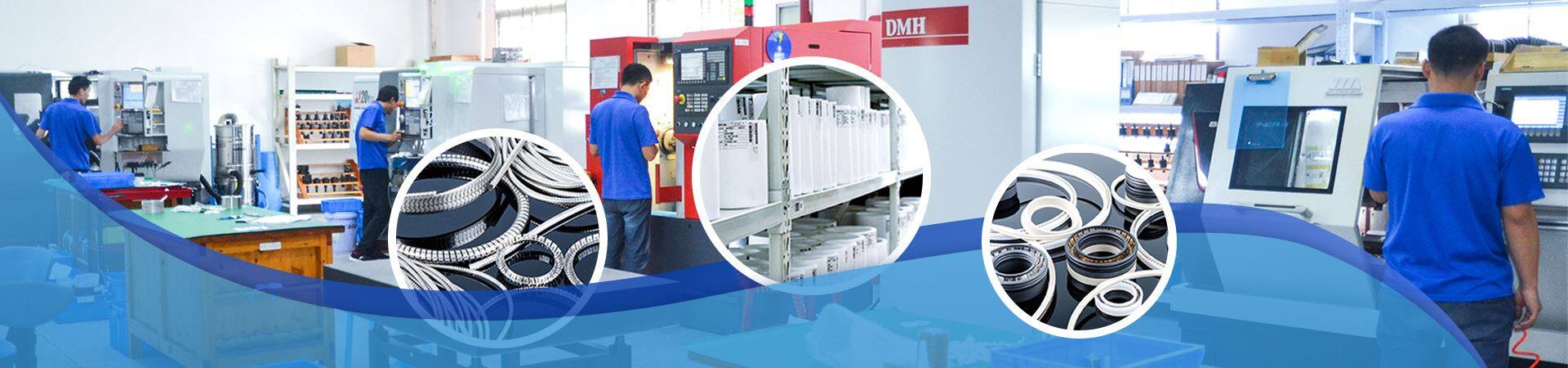
In the rapidly evolving field of industrial sealing technology, the development of new materials is shaping the future of seal performance across various sectors. As industries demand higher efficiency, durability, and reliability from their machinery, the role of advanced materials in sealing solutions becomes increasingly critical. These materials not only enhance the longevity and functionality of seals but also contribute to the sustainability and cost-effectiveness of industrial operations.
The Shift Towards High-Performance Polymers
One of the most significant trends in sealing technology is the increasing use of high-performance polymers. Materials such as PEEK (Polyetheretherketone), PTFE (Polytetrafluoroethylene), and UHMWPE (Ultra-High Molecular Weight Polyethylene) are being utilized more frequently due to their exceptional resistance to wear, chemicals, and extreme temperatures. These polymers offer advantages such as:
Enhanced Durability: High-performance polymers can withstand the rigors of aggressive environments, including exposure to harsh chemicals and extreme heat or cold, which are common in industries like chemical processing, oil and gas, and power generation.
Lower Friction: Many advanced polymers, particularly PTFE and its composites, exhibit very low friction coefficients. This characteristic reduces energy consumption in machinery and minimizes wear, leading to longer seal life and less frequent maintenance.
Versatility: These materials can be customized for a wide range of applications, from high-speed rotary seals to static seals in high-pressure environments, making them ideal for use in diverse industrial sectors.
The Rise of Composite Materials
In addition to pure polymers, composite materials are gaining traction in sealing applications. By combining different materials, such as reinforced PTFE with glass fibers or carbon, or rubber compounds with metal inserts, manufacturers can tailor the properties of seals to meet specific operational demands. Composite seals offer several benefits:
Optimized Mechanical Properties: The combination of materials in composites can enhance mechanical strength, thermal stability, and resistance to deformation, making them suitable for high-stress environments.
Improved Chemical Resistance: Composite materials can be designed to resist a broader range of chemicals, ensuring seal integrity even in the most challenging chemical processing applications.
Cost-Effectiveness: By carefully selecting and combining materials, manufacturers can produce seals that offer premium performance at a lower cost, compared to using high-cost materials exclusively.
Focus on Sustainability and Environmental Impact
As environmental concerns grow, the sealing industry is also focusing on developing more sustainable materials. This includes the use of biodegradable polymers, recyclable materials, and eco-friendly production processes. The move towards sustainable sealing solutions aligns with broader industry trends aimed at reducing the carbon footprint and promoting circular economy practices.
Biodegradable Materials: Research into biodegradable polymers is opening new possibilities for seals that can decompose naturally after their useful life, reducing environmental impact.
Recyclable Components: Manufacturers are increasingly exploring ways to create seals that can be recycled or reprocessed, minimizing waste and conserving resources.
Eco-Friendly Manufacturing: Advances in production technology are enabling the manufacture of seals with lower energy consumption and reduced emissions, contributing to greener industrial operations.
Integration of Smart Materials
The future of sealing technology may also involve the integration of smart materials-materials that can respond to changes in their environment, such as temperature, pressure, or chemical exposure. These materials could lead to the development of seals that can:
Self-Heal: Repair themselves when minor damage occurs, extending the service life of seals and reducing the need for replacements.
Adaptive Sealing: Adjust their properties in real-time to maintain optimal sealing performance under varying operating conditions.
Condition Monitoring: Provide real-time feedback on their condition, enabling predictive maintenance and reducing unexpected downtimes.
Conclusion
The sealing technology landscape is evolving rapidly, driven by the introduction of advanced materials that offer enhanced performance, sustainability, and adaptability. As industries continue to demand more from their equipment, the role of innovative materials in sealing solutions will only become more prominent. These materials are not only meeting the current needs of industrial applications but are also paving the way for future advancements in sealing technology.
For businesses looking to stay ahead in their respective industries, understanding and adopting these new materials in their sealing applications will be key to achieving greater efficiency, reliability, and environmental responsibility. Our team is available to help you explore these emerging materials and find the best sealing solutions for your specific needs.