Properties of Viton material:
High temperature resistance: Viton can withstand extremely high temperatures without significant degradation. It can operate continuously at temperatures up to 200°C (392°F) and intermittently at even higher temperatures.
Chemical resistance: It is highly resistant to a wide range of chemicals, including acids, bases, solvents, and fuels. This makes it ideal for applications in harsh chemical environments.
Oil resistance: Viton has excellent resistance to oils and lubricants, making it suitable for use in sealing applications in the automotive, industrial sectors.
Low gas permeability: Viton has a low permeability to gases, which makes it useful for applications where a tight seal is required to prevent gas leakage.
Mechanical strength: Viton has good mechanical strength and abrasion resistance, ensuring its durability in demanding applications.
Applications of Viton material:
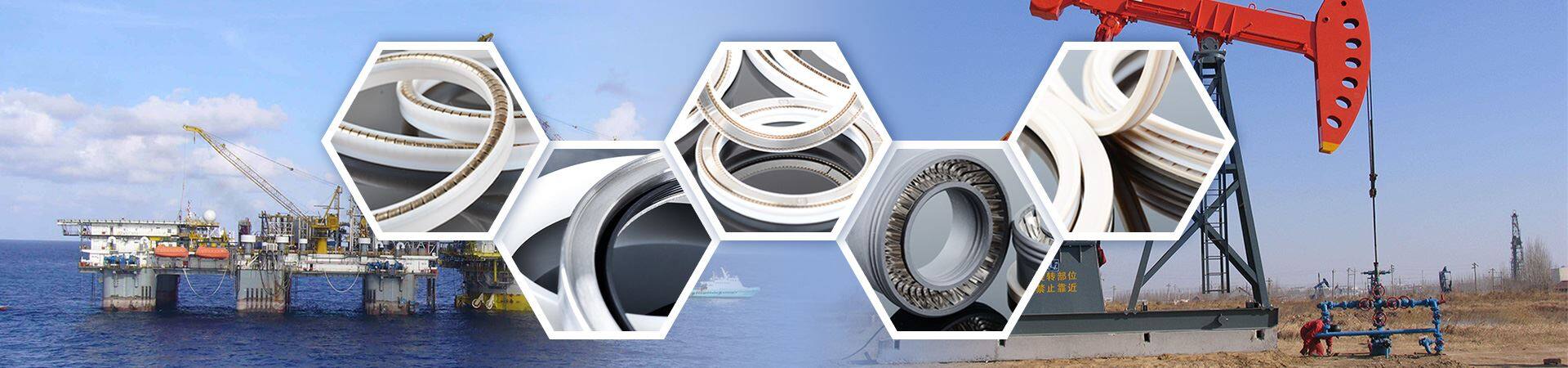
Seals and gaskets: Viton is widely used in the production of seals and gaskets for various industries, including automotive, chemical processing, and oil and gas.
Hoses and tubing: Viton hoses and tubing are used in applications where resistance to high temperatures and chemicals is required, such as in the chemical industry and automotive fuel systems.
O-rings: Viton O-rings are commonly used in hydraulic and pneumatic systems, as well as in applications where a reliable seal is needed in harsh environments.
Diaphragms: Viton diaphragms are used in pumps and valves to provide a flexible seal and resistance to chemicals.
Coatings and linings: Viton coatings and linings are applied to surfaces to provide protection against chemicals and high temperatures.
In conclusion, Viton material is a highly specialized synthetic rubber with unique properties that make it suitable for a wide range of demanding applications. Its exceptional resistance to high temperatures, chemicals, and oils makes it an important material in many industries.