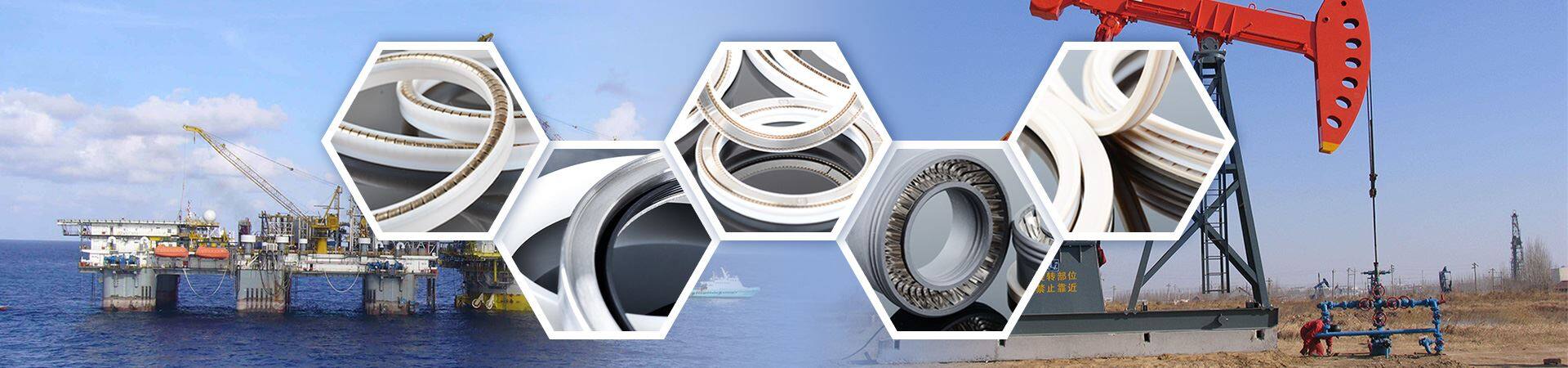
At Kaflon (Xiamen) Seal Co., Ltd., we specialize in providing high-performance sealing solutions for the LNG (Liquefied Natural Gas) industry, particularly for LNG loading arms. These critical components are used to safely and efficiently transfer LNG between vessels and terminals, often under extreme conditions. Our sealing solutions ensure leak-free operation, even in the most challenging environments.
Types of LNG Loading Arms
LNG loading arms, also known as hydraulic arms or dock arms, are typically classified into two main types: Top Loading Arms and Bottom Loading Arms. Each type has specific applications and advantages depending on the requirements of the LNG transfer process.
Top Loading Arms
Components: Top loading arms consist of a support column, inner and outer arms, and vertical pipes. The support column is used to hold the entire structure, while the inner and outer arms can rotate flexibly to accommodate different positions and angles during loading and unloading. The vertical pipe directly connects to the top opening of tankers or railcars for LNG transfer.
Application: These are typically used for smaller volumes or intermittent unloading, offering a simple, cost-effective solution for situations where unloading frequency is low. They are also compatible with older tankers.
Bottom Loading Arms
Components: Bottom loading arms include a support column, horizontal arm, vertical arm, universal joint, and bottom loading connector. The horizontal and vertical arms adjust position for optimal connection, while the universal joint allows the loading connector to rotate freely in any direction. The bottom loading connector is designed to connect directly to the base of the tanker or railcar.
Application: These are designed for high-efficiency, continuous unloading of volatile, flammable, and explosive liquids. Bottom loading arms are particularly beneficial for large-scale operations where unloading speed is crucial. They are designed to improve safety by minimizing static charges and reducing the risk of fire during the unloading process.
Rotating Seals in LNG Loading Arms
The rotating seal is a crucial component of LNG loading arms, especially in dynamic environments like LNG transfer systems. These seals provide reliable, leak-free connections between moving parts, ensuring that LNG can be safely transferred without risk of spillage or contamination. Given the extreme conditions LNG systems face-such as temperatures as low as -196°C and varying pressure ranges-rotating seals must be both durable and adaptable.
Key Features of LNG Loading Arm Rotating Seals
Dynamic Performance:
Our rotating seals are designed for high dynamic loads, ensuring they can perform under continuous motion without compromising sealing integrity. These seals are engineered to withstand extreme temperatures, from cryogenic conditions of LNG (-196°C) to high pressures of up to 19 bar.
Materials and Durability:
F270 and F250 Materials: These materials provide excellent low-temperature resilience, durability, and resistance to wear and fatigue, ensuring long service life for the seals.
VCN Full-Contact Spring Design: This robust structure ensures that the seals maintain constant contact, providing optimal sealing performance even under constant movement or pressure fluctuations.
Environmental Resistance:
Our nitrogen seals feature VW structures and use ELG spring materials, ensuring protection against UV radiation, seawater corrosion, and environmental aging-critical for LNG systems exposed to harsh marine environments.
The F252 jacket material further enhances protection, ensuring long-term reliability in challenging conditions.
Safety and Leak Prevention:
For bottom loading arms, rotating seals play an essential role in minimizing static electricity buildup, reducing the fire risks associated with flammable materials. By ensuring the fluid transfer occurs smoothly without spillage, our seals contribute to a safer, more efficient unloading process.